Montessori Is More Than a Classroom Method

A philosophy that shapes the whole child
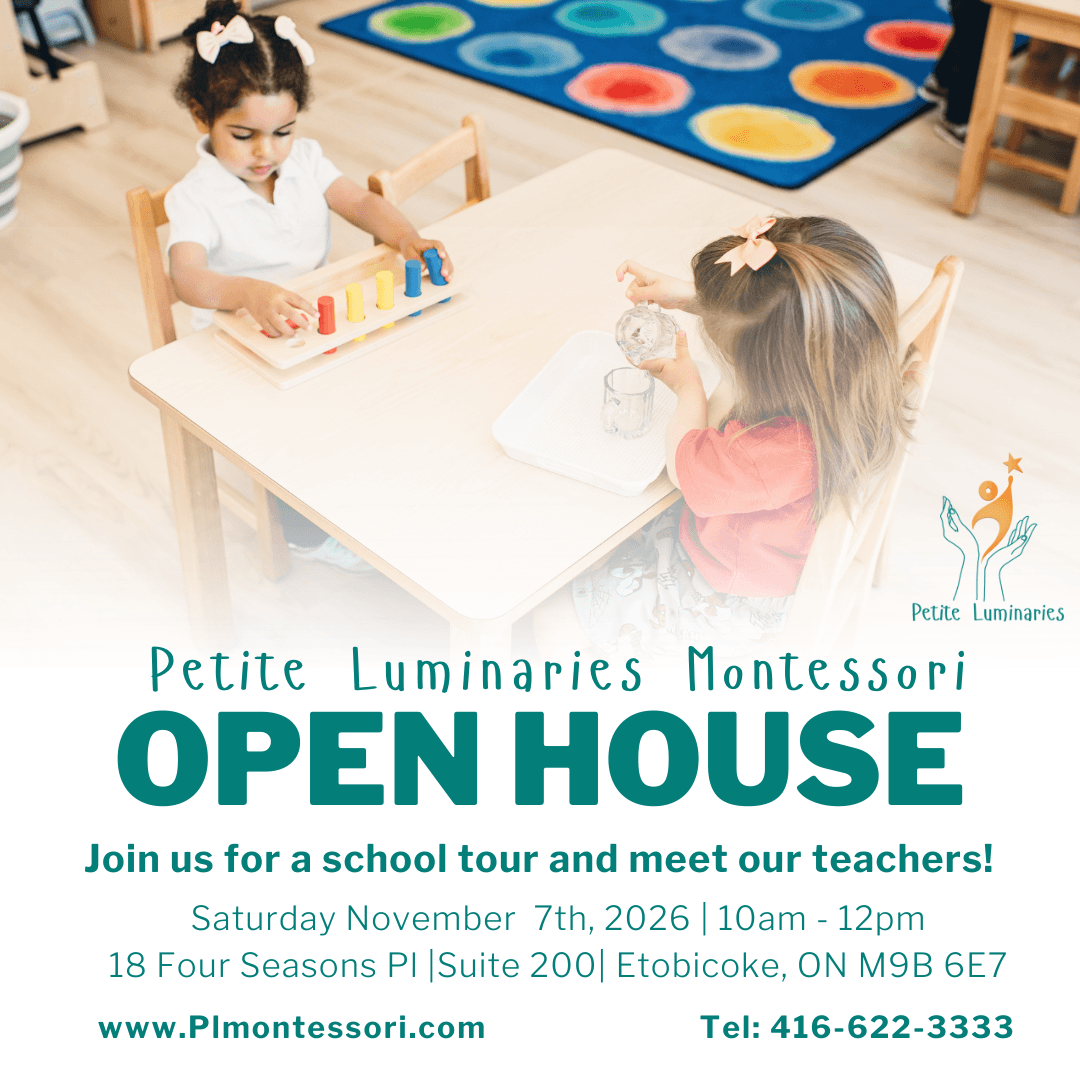
When families first encounter Montessori, they often notice the calm classrooms, natural materials, and children working independently. They may see a toddler carefully pouring water or a preschooler laying out materials with focus and care. While these moments are beautiful, they represent only a small part of what Montessori truly is.
Montessori is not simply a teaching method or a classroom setup — it is a philosophy that guides how children grow, learn, and understand themselves and the world around them.
Respect for the Child Is at the Heart of Montessori
At the heart of Montessori is a deep respect for the child. Children are viewed as capable, curious individuals who thrive when given trust, structure, and meaningful experiences.
Rather than rushing children through milestones, Montessori educators observe and respond to each child’s readiness. For example, a child learning to button their sweater is given time and encouragement, rather than being rushed through the task. This respect helps children develop patience, confidence, and a sense of accomplishment.
Independence Builds Confidence for Life
One of the most powerful aspects of Montessori is its emphasis on independence. In a Montessori environment, children are encouraged to do things for themselves — pouring their own water, setting up their work, cleaning up after activities, and choosing materials that interest them.
These small daily moments build confidence and responsibility. Parents often share that they notice their child wanting to help set the table, put away toys, or dress themselves at home — not because they are told to, but because they feel capable and proud.
Concentration Grows Through Meaningful Work
Montessori nurtures concentration in a way that feels calm and purposeful. Children are given uninterrupted time to engage deeply with their work, whether they are building with blocks, tracing letters, or completing a puzzle.
For example, instead of rotating children through activities every few minutes, Montessori allows a child to stay with a task as long as they are engaged. Over time, this helps children develop focus, persistence, and the ability to work through challenges — skills that are essential for lifelong learning.
Learning Is Connected to Real Life
Another defining feature of Montessori is the way learning is connected to everyday life. Children work with real tools and materials — child-sized brooms, kitchen utensils, gardening tools — rather than toys that only simulate real tasks.
Planting seeds, watering plants, or preparing food teaches children responsibility and care for their environment. These activities also help children understand that their actions have purpose and meaning, reinforcing respect for themselves and the world around them.
Social and Emotional Growth Matters
Montessori classrooms place great importance on social and emotional development. Children are guided in how to communicate respectfully, wait their turn, and resolve conflicts peacefully.
For example, when disagreements arise, educators support children in using words to express their feelings and find solutions together. Mixed-age classrooms further enrich this experience, as younger children learn by observing older peers, and older children develop leadership and empathy by helping younger ones.
Montessori Extends Beyond the Classroom Walls
Perhaps what makes Montessori truly special is that it does not end when the school day is over. The principles children experience in a Montessori environment often show up at home and in everyday life.
Families frequently notice improved emotional regulation, greater confidence, and increased curiosity. Children begin asking thoughtful questions, showing persistence when faced with challenges, and approaching new situations with confidence rather than hesitation.
A Foundation for Life
Montessori is more than an educational approach — it is a foundation for life. It prepares children not just for the next academic step, but for becoming thoughtful, confident, and compassionate individuals.
At Petite Luminaries Montessori, we see Montessori as a partnership between educators, children, and families. By nurturing independence, respect, and curiosity, we help each child’s natural light shine — in the classroom and far beyond.