Montessori Philosophy
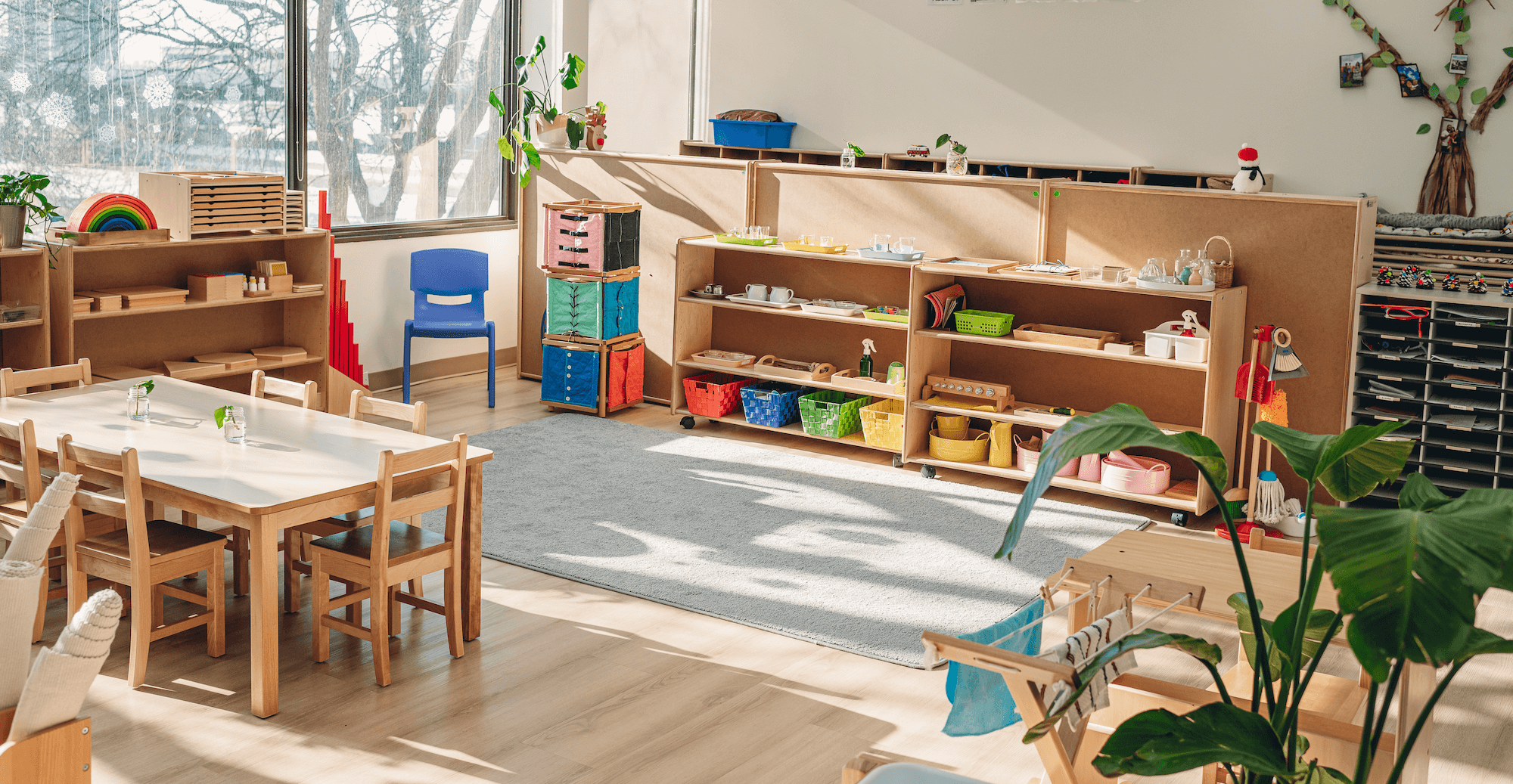
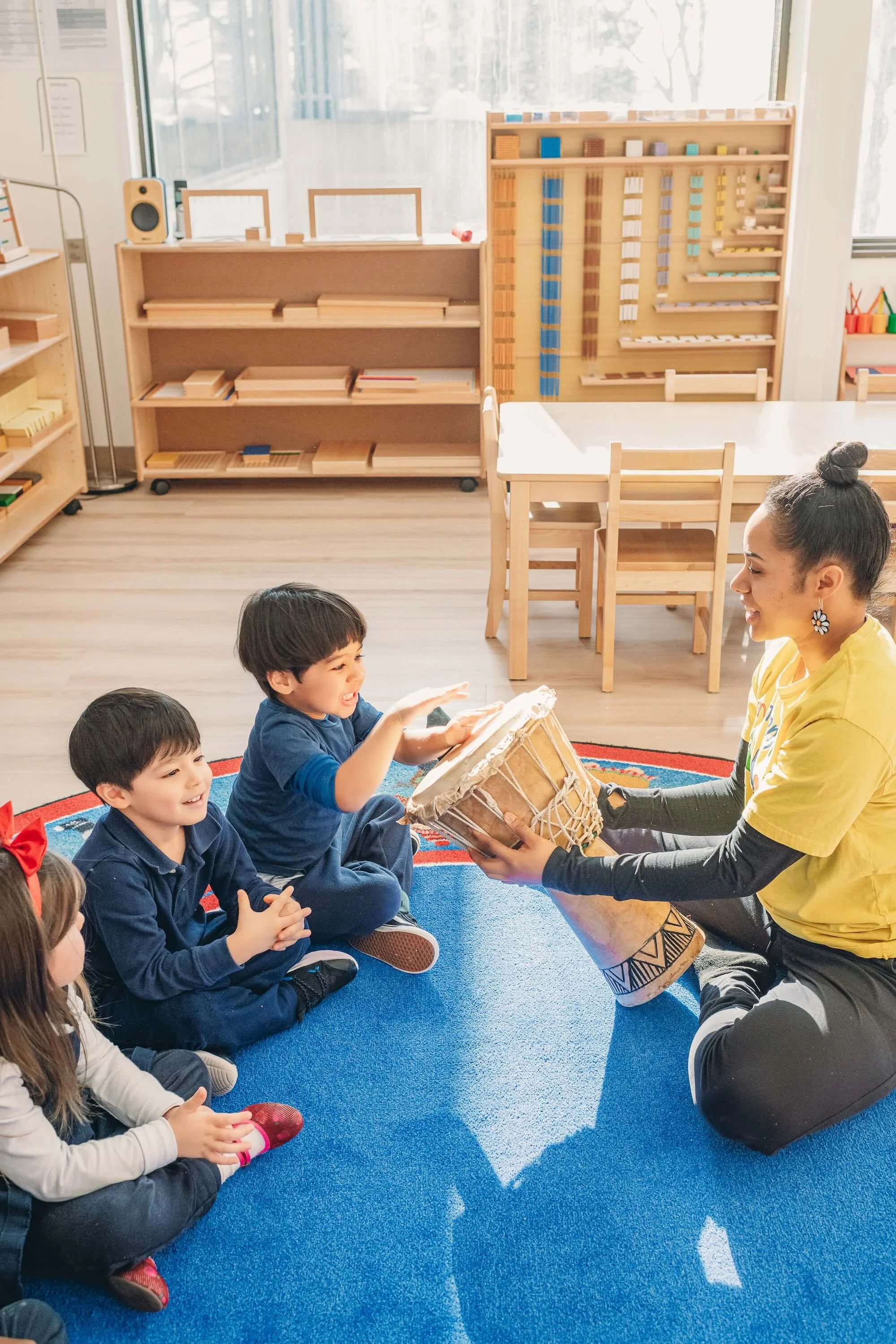
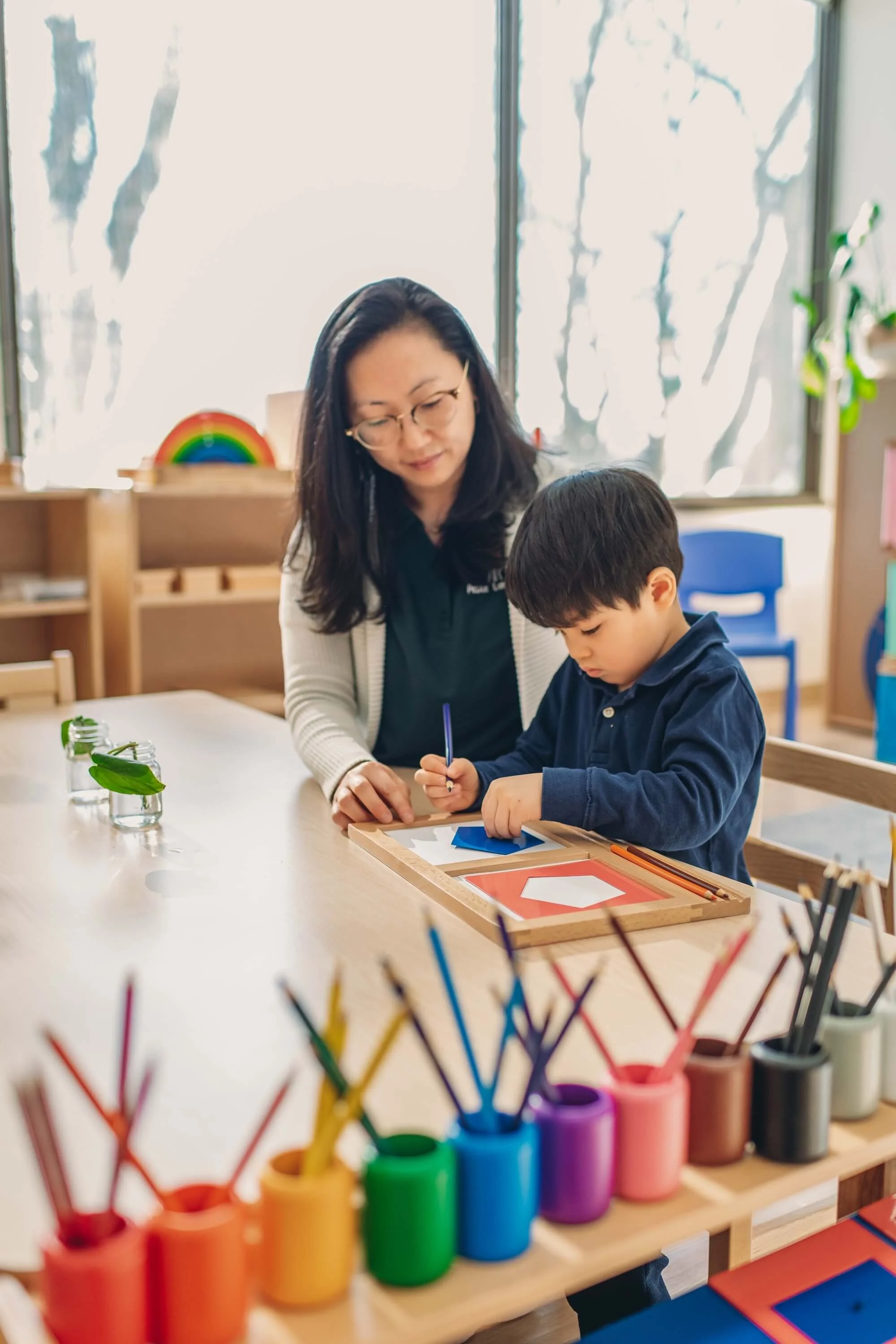
The Montessori philosophy is grounded in respect for the child and a deep belief in their natural ability to learn. Developed by Dr. Maria Montessori, this approach recognizes that children thrive in environments that foster independence, concentration, and purposeful activity. In a Montessori classroom, children are given the freedom to choose meaningful work within clear boundaries, allowing them to develop confidence, self-discipline, and a lifelong love of learning. The role of the educator is to observe, guide, and support — empowering each child to grow at their own pace.
Core Areas of Montessori Learning

Cultural Studies & Science
(Understanding the World)
Children develop a global perspective and scientific curiosity through:
Geography, maps, and continents exploration
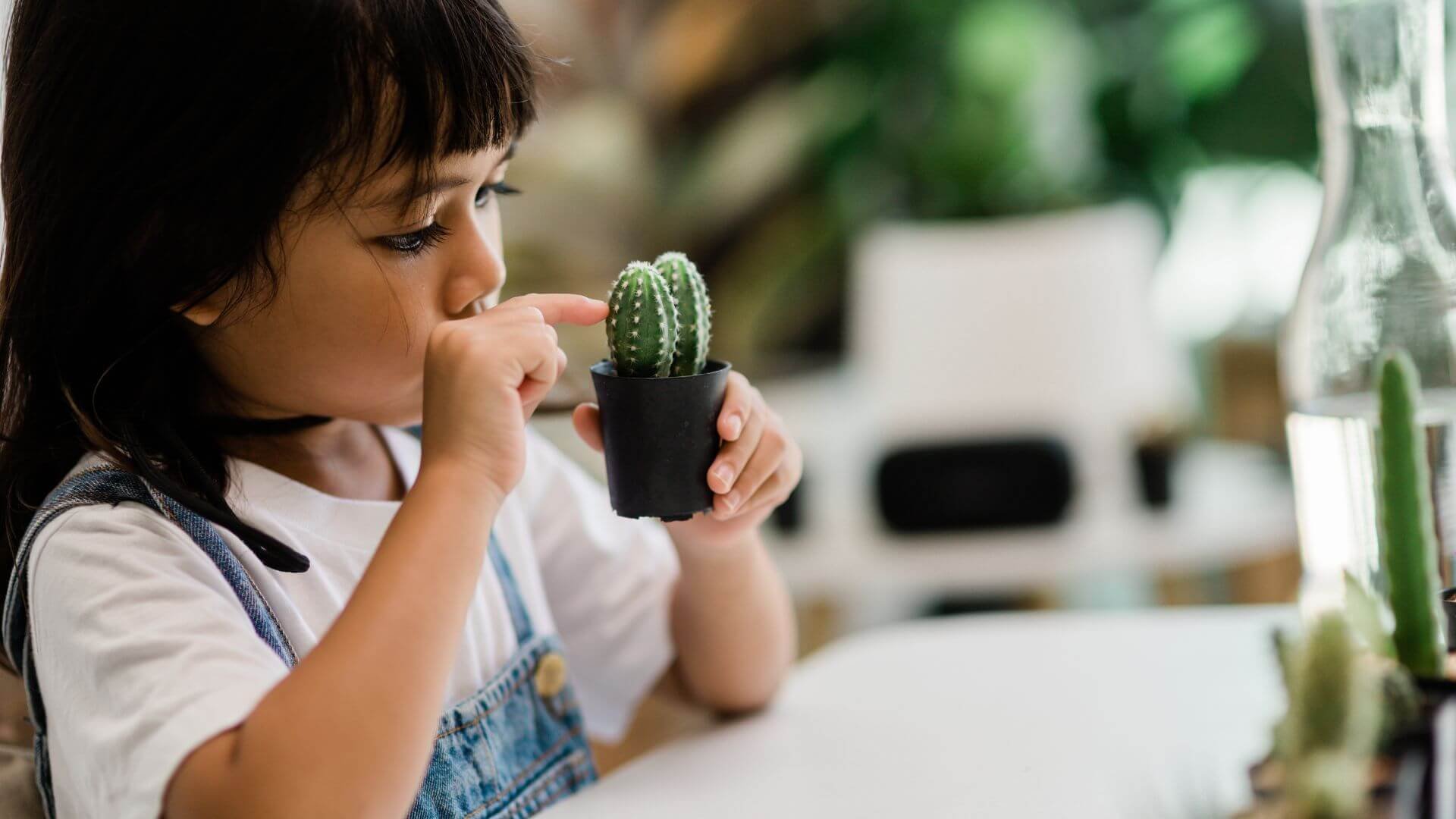
Basic biology, botany, and life cycles
Nature exploration and environmental awareness

Nature & Outdoor Learning
Outdoor activities encourage curiosity and connection with the environment:
Nature walks and observation
Gardening and care for plants
Seasonal exploration and hands-on science

Practical Life
(Independence & Life Skills)
Children engage in everyday activities that build confidence, coordination, and responsibility:
Pouring, sorting and buttoning,
Tidying up and caring for the environment
Grace & courtesy (social skills)

Sensorial
(Cognitive Development)
Through hands-on materials, children refine their senses, laying the foundation for math and language learning:
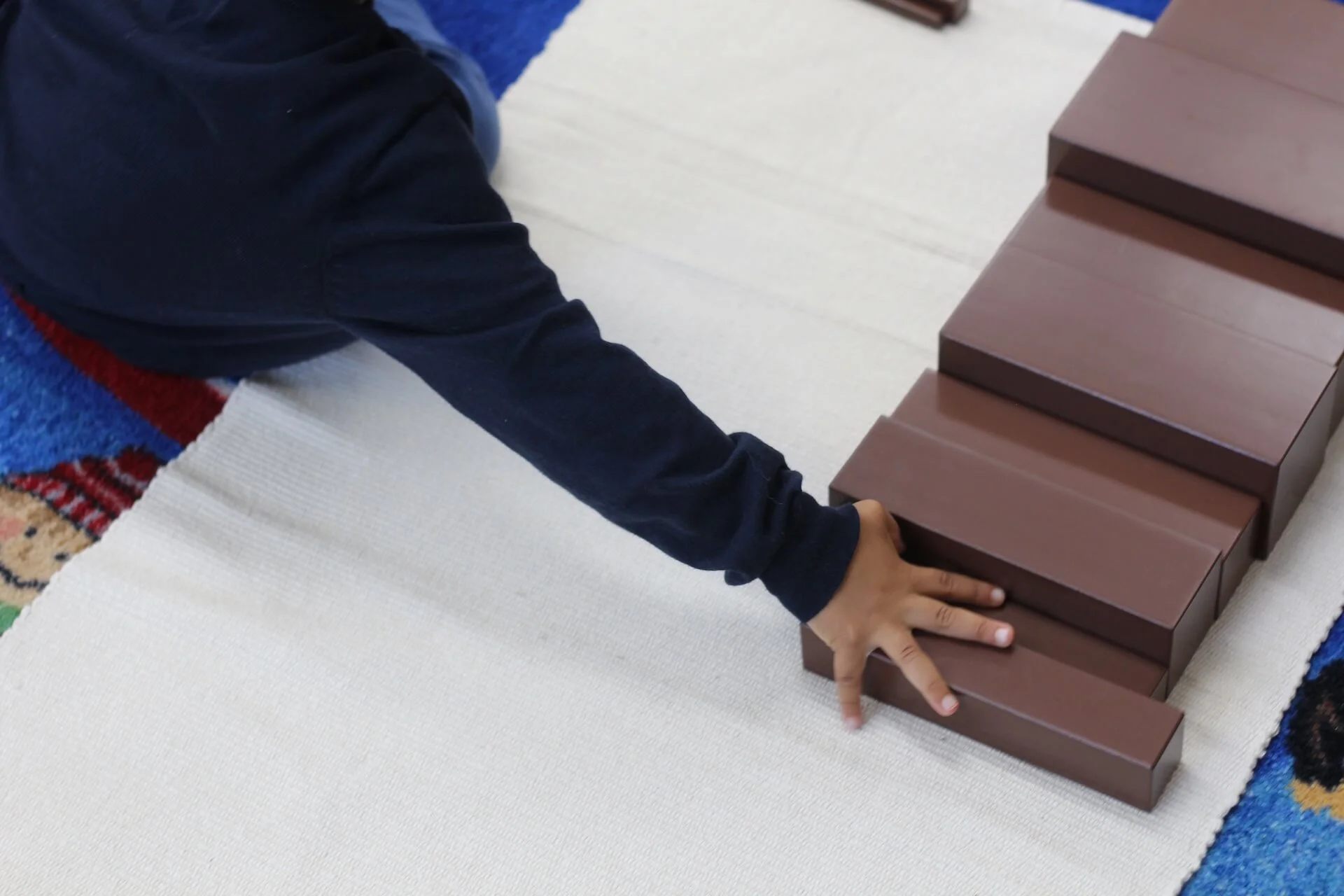
Shape, size, texture, and color recognition
Sound, smell, and touch exercises
Problem-solving and critical thinking activities

Language & Literacy
(Early Reading & Communication)
We introduce a phonetic-based approach to develop strong literacy skills:
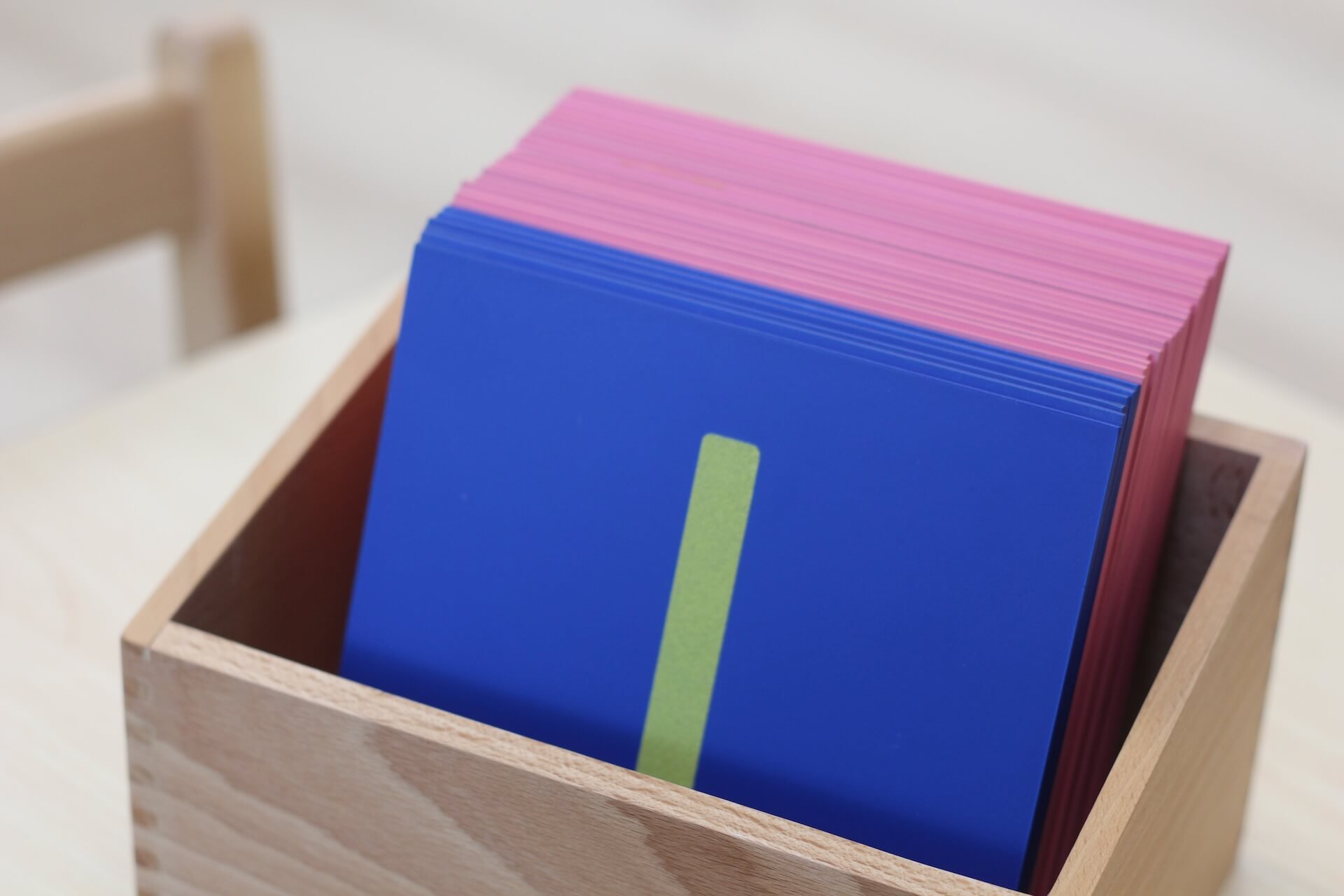
Letter sounds and formation
Word building and storytelling
Reading comprehension and creative expression

Mathematics
(Hands-On Numeracy Skills)
Montessori math materials help children grasp abstract concepts through concrete experiences:
Number recognition & counting
Addition, subtraction, multiplication & division
Patterns, sequencing, and problem-solving